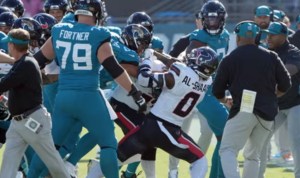


When a team wins big or a city pulls off a major event, you’d expect joy, high-fives, maybe some confetti. But sometimes, these celebrations turn chaotic—people start looting, breaking things, and what began as a happy moment becomes a scene of confusion and destruction. So, what’s really going on here? Why do people sometimes lose control in these moments of victory?
It turns out, there’s a mix of psychology, crowd dynamics, and social factors at play. To understand why people sometimes loot or get rowdy after big wins, let’s dig into the science and psychology behind it—and how emotional intelligence can help prevent things from getting out of hand.
1. Losing Yourself in the Crowd
When people gather in large crowds, something called “deindividuation” often happens. Essentially, people start to lose their sense of individuality and can feel anonymous. “In a crowd, people tend to feel less responsible for their actions,” explains Dr. John Drury, a social psychologist at the University of Sussex. “The larger the crowd, the less individuals feel accountable, which can lead to behaviors they wouldn’t normally exhibit.”
Think about it: when everyone around you is shouting, celebrating, and maybe even breaking a few small rules, it can feel like you have permission to let loose, too. Emotional intelligence can come in here—having self-awareness and self-control can make a huge difference in resisting the pull to follow the crowd when things start getting risky.
2. Emotional Contagion and the Thrill of the Moment
Emotions are contagious, especially in crowds. If you’re in a stadium or a street full of excited, high-energy people, you’re likely to feel that excitement yourself. This effect is called emotional contagion, where we catch the emotions of those around us. “In emotionally charged situations, people are more likely to mimic the behaviors and emotions of others,” says Dr. Paul Ekman, a renowned psychologist known for his work on emotions.
In high-energy celebrations, this collective excitement can sometimes tip into chaos. For some, the heightened emotions lead to positive actions—cheering, dancing, hugging strangers. But for others, that rush might translate into risk-taking behaviors like looting. Here’s where emotional intelligence comes in: managing intense emotions and recognizing when you’re getting swept up can help you keep a cool head, even in the middle of a crowd.
3. When Social Rules Go Out the Window
Celebrations, especially after big wins, often bring a sense of “anything goes.” People might feel like regular rules don’t apply, and it’s almost like they’re in a different world where typical behavior standards aren’t enforced. This is known as normative social influence, where people adjust their behavior to fit in with those around them. When a few people start breaking rules, like grabbing a souvenir from a storefront or climbing a lamppost, others might feel they can do the same without consequence.
Emotional intelligence can be a game-changer in these situations. Recognizing when social norms are slipping and understanding the consequences can help people make better choices. Leaders in these crowds, whether they’re community members or sports fans with a strong following, have the power to encourage responsible celebration.
4. The Thrill of Breaking Rules
For some, part of the allure is simply the thrill of doing something they’re not supposed to. Dr. Michael Pittaro, a criminologist, notes that risk-taking behaviors often increase in high-energy settings. “It’s about adrenaline,” he says. “In the moment, people are seeking excitement, and for some, that means pushing boundaries.” When surrounded by a crowd, taking a risk, like looting, may feel less daunting or dangerous because others are doing it too.
This is where emotional intelligence, particularly self-regulation, plays a role. People with strong emotional control can manage these impulses, recognizing that the temporary thrill isn’t worth the long-term consequences. Finding alternative ways to channel excitement—like shouting chants, celebrating with friends, or dancing—can fulfill the need for fun without the destruction.
5. Social and Economic Pressures
Of course, looting isn’t always just about emotions. In some cases, people in economically disadvantaged situations may see a celebration as an opportunity to get things they normally can’t afford. “Looting sometimes speaks to a sense of inequality,” says Dr. Phillip Atiba Goff, co-founder of the Center for Policing Equity. “While it’s not excusable, it can point to larger social issues that influence behavior.”
For some, looting is an outlet for frustration or a perceived chance to acquire goods that seem out of reach. This highlights the importance of addressing underlying social and economic disparities, rather than just focusing on crowd control after big events.
Using Emotional Intelligence to Keep Celebrations Positive
So, what can be done to keep the celebrations focused on positivity? A lot comes down to encouraging emotional intelligence—within individuals, communities, and even leadership teams. Here are a few ways to help:
1. Promote Positive Group Leaders: Having visible leaders in a crowd who encourage safe and fun behavior can set the tone for everyone else. People tend to follow what they see, so if the vibe is fun but safe, others are more likely to follow.
2. Encourage Self-Awareness and Self-Regulation: When we’re aware of our own emotions and can regulate them, we’re better able to resist getting swept up in the crowd. Encouraging fans to celebrate responsibly and to pause before acting can prevent destructive behavior.
3. Create Safe Outlets for Energy: Providing outlets for people to express excitement—like parades, official events, or even extra street space for dancing—can help reduce the likelihood of misbehavior by giving people structured, fun ways to celebrate.
4. Address Root Social Issues: Economic disparities can contribute to behaviors like looting. Addressing these disparities can help reduce motivations beyond the thrill of the moment, creating safer celebrations in the long term.
The psychology of looting after a big win is complex, driven by emotions, social factors, and sometimes even economic needs. But with a little emotional intelligence, a touch of self-awareness, and smart community planning, celebrations can stay focused on joy, unity, and positivity—the way they’re meant to be.