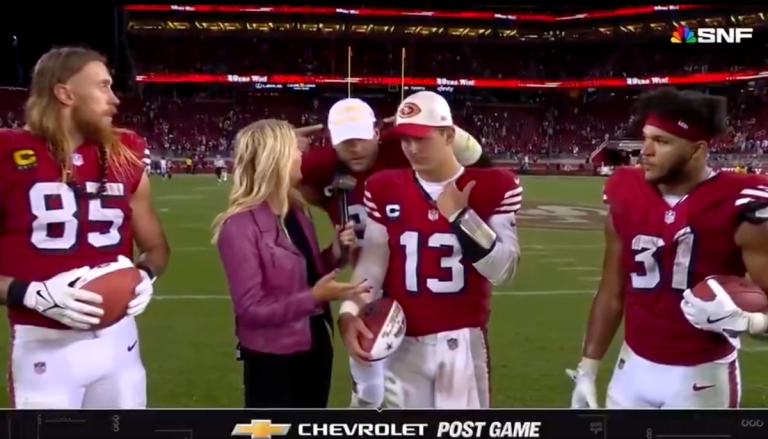
San Francisco 49ers defensive end Nick Bosa recently received a two-game suspension following his decision to wear a “Make America Great Again” hat during a live postgame interview. The incident has sparked conversations about emotional intelligence, team dynamics, and the impact of personal choices in the world of professional sports.
Emotional intelligence, or EI, is the ability to recognize, understand, and manage both our own emotions and those of others. For athletes, especially in a team setting, EI helps navigate social dynamics, maintain harmony, and make decisions that support the team’s collective goals. In Bosa’s case, his choice to wear a politically charged hat brings up the question of how personal expression intersects with team unity and professionalism. As an athlete, he has every right to his personal beliefs, yet expressing them during a team event can carry unexpected consequences. The suspension serves as a reminder that personal actions have impacts beyond the individual, influencing the team’s performance, image, and internal morale.
Bosa’s choice highlights the importance of “reading the room,” or understanding context before making decisions. In a professional sports setting, individuals from diverse backgrounds come together with a shared goal, making it essential to consider how certain actions might be perceived by teammates, fans, and the broader public. Bosa’s decision to wear the hat during a live interview, without prior approval, was viewed by the league as a breach of policies that discourage personal statements in official events. This wasn’t just a question of whether his message was appropriate; it underscored the need to balance personal beliefs with the context and setting in which they’re shared.
Leadership and accountability play critical roles here, too. Team leaders and coaches work to set expectations and guide players in making decisions that align with the team’s values and vision. Bosa’s suspension serves as a reminder of the importance of accountability in professional sports, not only for individual actions but for understanding their broader effects. Emotional intelligence is a key skill for athletes in handling these moments, as it encourages self-awareness, empathy, and an understanding of the larger picture. By developing these skills, athletes can make informed decisions that honor both their personal beliefs and the goals of the team.
This incident with Bosa is a powerful example of how personal choices intersect with team dynamics, showing the importance of considering context, understanding team values, and reflecting on the impact of one’s actions. As Bosa and the 49ers move forward, his suspension is a learning moment—not just for him but for the entire sports community—about how emotional intelligence can shape better decision-making and foster a culture of unity, respect, and shared purpose in professional sports.