More Than a Game: Why Adult Men Are Turning to Competitive Sports for Mental Health and Emotional Strength
Published by More Than an Athlete
In recent years, more men have been signing up for recreational and competitive sports leagues well into adulthood—not just for fitness, but for something deeper. Behind every jump shot, sprint, or goal is often a man searching for relief, release, or reconnection.
Research shows that adult sports participation is doing more than keeping men active—it’s helping them stay mentally and emotionally well in a time when many are silently struggling.
Mental Health and Movement: A Critical Connection
According to the National Institute of Mental Health, over 6 million men in the U.S. experience depression each year. Yet, due to stigma, cultural expectations, or lack of resources, men are significantly less likely to seek help.
That’s where organized sports come in—not as a cure, but as a crucial outlet. Studies have shown that adult men who participate in team sports report:
- Lower levels of depression and anxiety
- Higher self-esteem and motivation
- Stronger routines and social engagement
One major study published in The Lancet Psychiatry found that team-based physical activity had the strongest positive impact on mental health compared to other forms of exercise, particularly among men aged 25 to 55.
For many, the structure of a weekly game or practice offers something that therapy or medication alone cannot: a place to move, connect, compete, and decompress—without needing to explain why.
Emotional Intelligence on the Court
While it’s often left out of the highlight reel, one of the biggest benefits of adult sports is the quiet development of emotional intelligence (EQ)—a skill linked to better relationships, stronger communication, and improved resilience.
Harvard research identifies emotional intelligence as a key factor in:
- Navigating stress
- Resolving conflict
- Sustaining long-term well-being
In adult sports environments, EQ shows up in subtle ways:
- Supporting a teammate after a tough play
- Knowing when to cool down instead of lashing out
- Learning to take constructive feedback—and give it back with respect
Over time, these skills begin to influence life beyond the field—strengthening how men show up in their relationships, workplaces, and communities.
Brotherhood as a Protective Factor
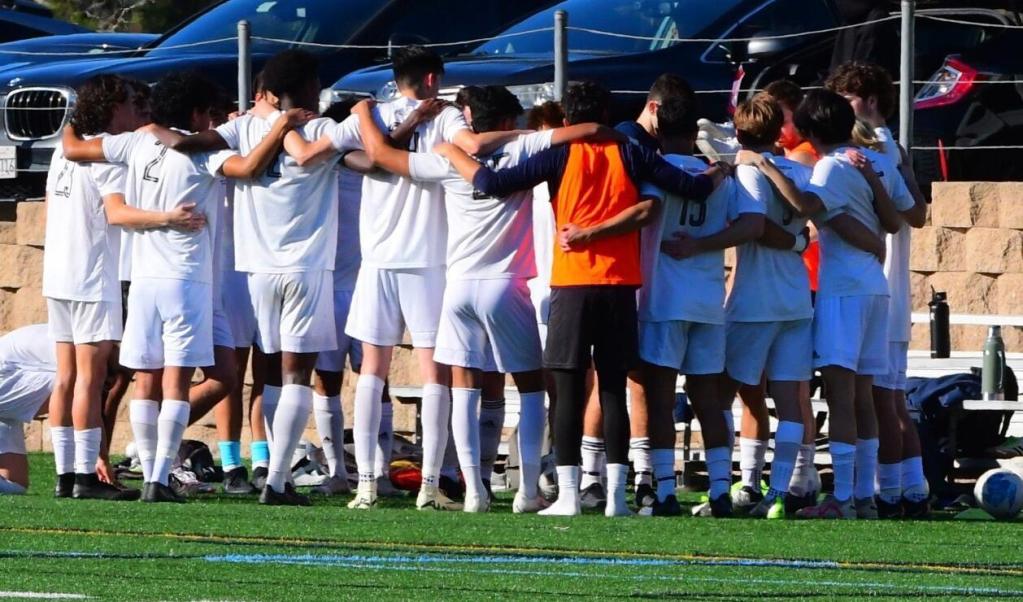
One of the most powerful outcomes of sports involvement is often the least talked about: belonging.
A 2021 study in the Journal of Men’s Health found that adult men who participated in recreational sports reported significantly lower levels of loneliness and higher levels of social satisfaction compared to peers who were not involved in sports. This was especially true for men over 30, who often experience a decline in social interaction due to work and family obligations.
In many adult leagues, the post-game conversation, the group chat, the check-in after an injury—these small moments create a sense of brotherhood that acts as a buffer against isolation.
And in a world where over 30% of men report not having a single close friend, that brotherhood isn’t just important—it’s vital.
The Bigger Picture
Recreational and competitive sports aren’t just about staying in shape. For many adult men, they’ve become a lifeline—a space to be challenged, to grow emotionally, and to reconnect with a part of themselves that daily life often buries.
This is what the More Than an Athlete platform is all about: highlighting the unseen impact of adult sports culture and giving men permission to talk openly about mental health, emotional strength, and the healing power of play.
Because every game is more than a game.
Every practice is more than conditioning.
Every team is more than just a roster.
Together, they form a space where men can move, breathe, and be real again.
Want to share how sports have impacted your life?
Reach out at [Your Contact Email] or tag @MoreThanAnAthleteBlog on social media. Your story could be the reminder another man needs.